Unlocking the Potential of Wastewater Heat in Northwest Europe
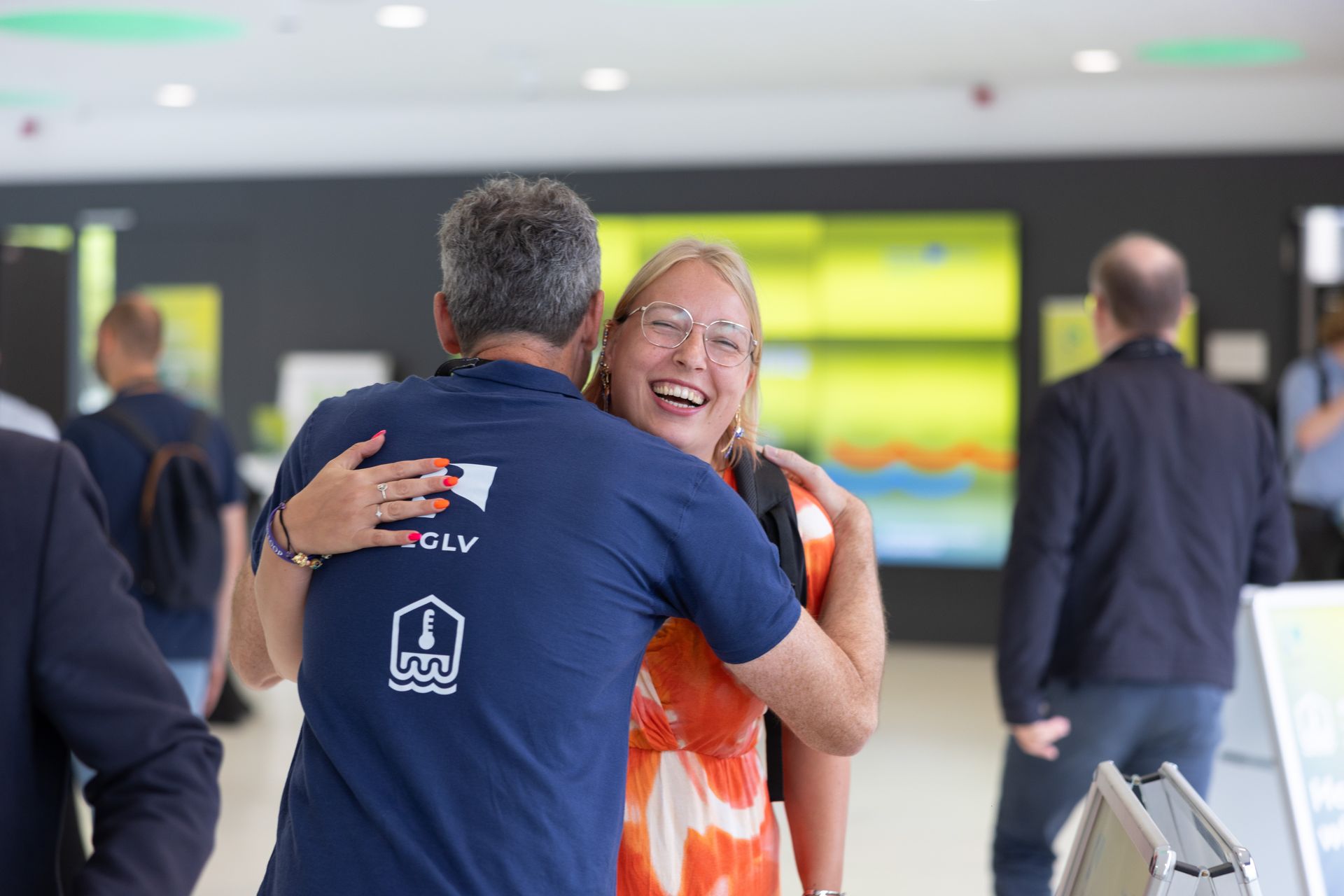
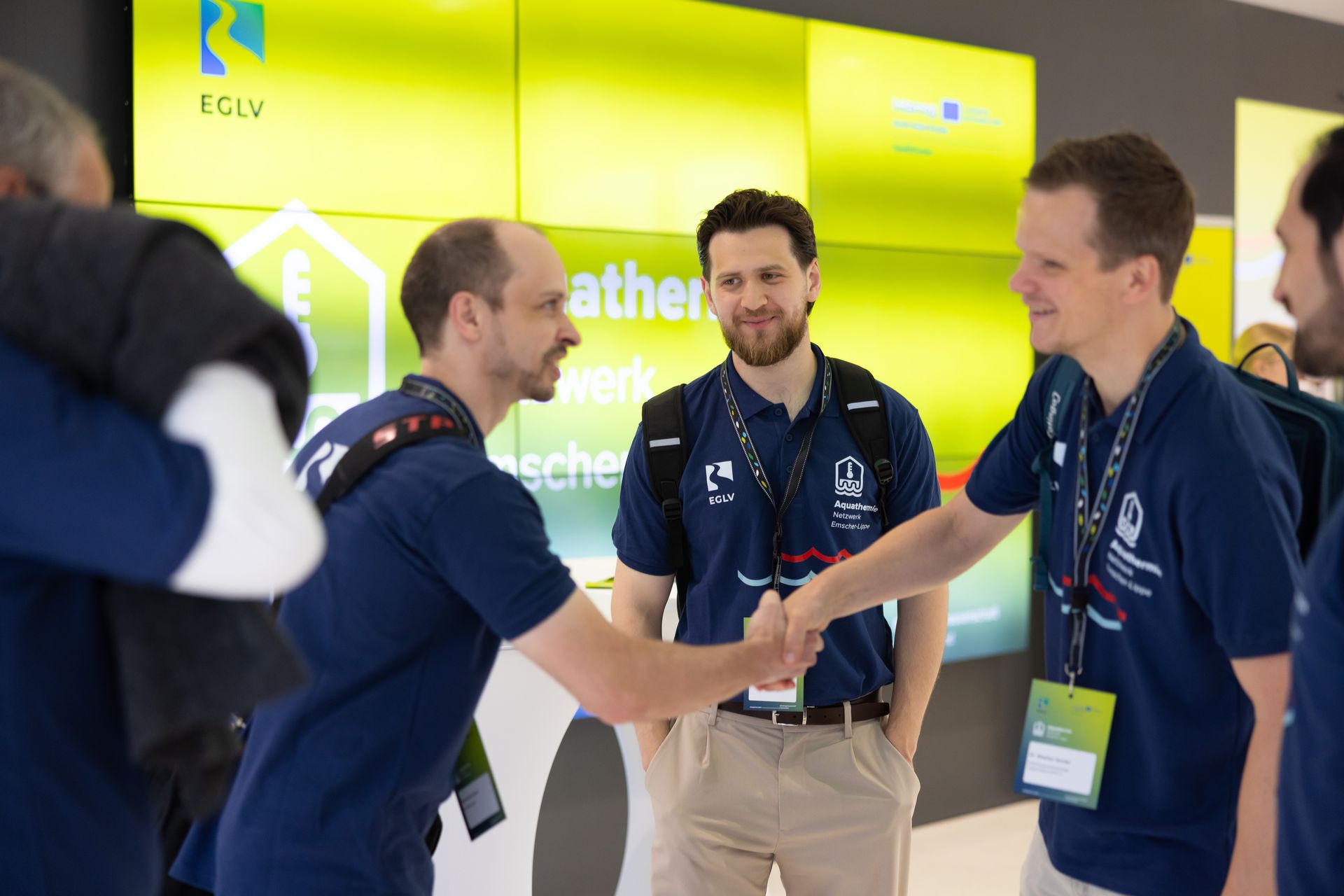
On 8 July 2026, Emschergenossenschaft Lippeverband (EGLV) hosted the Aquathermie Forum in Bochum, Germany, marking a significant step forward in the heat transition. Being the biggest water board managing waste water in the most populated state of Germany, EGLV is a core partner in this transition for Northwest Europe. The event brought together 90 experts - including representatives from municipalities, grid operators, project developers, and the housing sector - to explore how wastewater heat recovery (Aquathermia) can contribute to a sustainable, resilient, and decarbonised energy future.
The forum served as the official launch of the Aquathermienetzwerk Emscher-Lippe, a key deliverable of ResNRJwater. This network aims to facilitate collaboration, knowledge sharing, and project development to accelerate the adoption of aquathermia across the region. With North Rhine-Westphalia targeting 1 TWh of heat from wastewater by 2030 and 4 TWh by 2045, the stakes and the opportunities are high.
A Reliable and Underused Resource
In the Emscher-Lippe region, for example, the dense sewer network- managed by EGLV - holds enormous potential for heat recovery.
Despite its promise, wastewater heat remains underutilized in the broader energy transition discussion. The Aquathermie Forum 2026 sought to change that by connecting stakeholders, showcasing best practices, and fostering a shared vision for scaling up aquathermia projects.
A Network for Collaboration and Action
One critical challenge has to be faced: no single stakeholder can implement aquathermia projects alone. Municipalities need to decarbonise their heating grids but often lack data on where heat demand and wastewater potential overlap. Water utilities, like EGLV, know where the heat is but may not always know where it’s needed most. Meanwhile, the housing industry, a major heat customer, requires reliable and scalable solutions to transition away from fossil fuels.
Best Practice examples from ResNRJwater Partners
The network builds on best practic from ResNRJwater partners, including Hoogheemraadschap Hollands Noorderkwartier (HHNK, Netherlands) and Aquafin (Belgium), who have already demonstrated the feasibility of aquathermia in their regions. By sharing heat potential maps, joint concepts, and lessons learned, the network aims to accelerate the learning curve and overcome barriers to adoption.
This demonstrates the value of cross-border collaboration and knowledge-sharing and the Aquathermie Network Emscher-Lippe is leveraging these experiences, aiming to accelerate adoption and avoid common pitfalls in project implementation.
From Pilot Projects to Regional Impact
Proving that the technology is mature, effective, and ready for scale the forum highlighted real-world examples of aquathermia in action.
There is a 2009 pilot project to heat a Public Pool in Bochum, where 65% of the pool’s heat demand is covered by wastewater, making up to 40% CO₂ savings compared to fossil fuel-based heating.
Or there is a Senior Living Facility powered by Wastewater implemented by one of our partners BETREM GmbH (a subsidiary of EGLV) , where 70% of heating and 80% of hot water supplied by aquathermia. This makes up to 63% CO₂ reduction, demonstrating the technology’s potential for social housing and public buildings.
The Path Forward: Scaling Up Aquathermia
The Aquathermie Forum 2026 was just the beginning. By convening stakeholders 2 - 3 times per year, the network aims to focus on technological and legal developments in wastewater heat recovery, shares project updates and best practice examples from across Northwest Europe and offers policy alignment to ensure aquathermia is integrated into municipal heat planing and regional energy strategies.
A Modell of Collaboration for Northwest Europe’s Energy Transition
Aquathermia
is more than just a technical solution - it’s a strategic opportunity
for Northwest Europe
Decarbonise heating
Replace
fossil fuels with a local, renewable, and reliable energy source
Strengthen energy
security
Reduce dependence on volatile fossil fuel markets.
Promote circular economy
Turn wastewater from a disposal challenge into a valuable resource.
Support
social
equity
Lower
heating costs for public buildings, social housing, and municipalities
Enhance
grid
resilience
Decentralized heat sources reduce pressure on overloaded energy systems
Get Involved
The Forum demonstrated that the technology, the potential, and the will to scale aquathermia are all in place. The next step is collaboration.
If you’re a municipality, utility, developer, or policymaker interested in wastewater heat recovery, join the network and be part of the movement to decarbonize heating in Northwest Europe.
Learn more about aquathermia: www.eglv.de/aquathermie